
We would like to introduce you to some of our caregivers. KITTY in NY has selected over the years some outstanding people who have one thing in common: they LOVE cats!
Roland lives with his girlfriend around 26th Street and 9th Avenue. They are both pet lovers and would enjoy taking care of your cats until you come back.
As far back as I can remember my family has always had cats. Being a former cat owner for over 10 years gives me great experience in handling these curious an fun creatures.
I currently am a physical trainer which allows me a lot of flexibility in my schedule. I spend most of my downs hours relaxing at my apartment which will ensure your precious little animals will be well taken care of and given lots of attention.
Roland lives with his girlfriend around 26th Street and 9th Avenue. They are both pet lovers and would enjoy taking care of your cats until you come back.
As far back as I can remember my family has always had cats. Being a former cat owner for over 10 years gives me great experience in handling these curious an fun creatures.
I currently am a physical trainer which allows me a lot of flexibility in my schedule. I spend most of my downs hours relaxing at my apartment which will ensure your precious little animals will be well taken care of and given lots of attention.
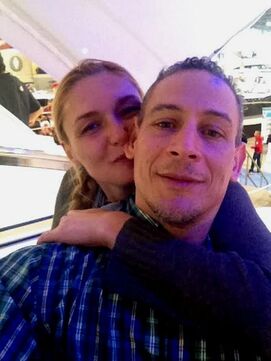
If you live in the UWS or midtown west Roland will provide the perfect temporary home for your cat. He also visits cats in their homes. Contact us and send us more information about your service.
Kitty in NY will help you take care of your cat/s while you're away. Short or long term, our in-home boarding and cat sitting services will allow you to enjoy your vacation, work trip, business or pleasure. You will receive regular updates from our caregivers. We love your cat/s!
____________________________________________________
REVIEWS
Shikha - by survey 03/20/2024
* * * * *
Roland took care of our cat Chessy really well. When we had dropped her off with Roland, he sent pictures of her settling down and making her way around in his home - hiding, coming out and exploring, eating food, using her litter box. The pictures made us relieved that she was doing ok. Roland also made sure he sent regulars updates/ pictures. He also allowed our cat to treat his home like her own home.
Additionally, Roland was very flexible with us regarding the pick up and drop off time. Our return flight was delayed by 2 hours and Roland was flexible with the pick up time being delayed by us.
Alison - by survey 08/03/2023
* * * * *
Roland and his girlfriend (I’m so sorry I don’t have her name) cared so well for Benji! I was nervous leaving him for two weeks, but Roland made it very easy, answered my questions, and were open to a meet and greet prior. They sent me daily updates, and I could tell Benji was well taken care of. They were easy to communicate and work with, I plan to request them again when I need someone to watch Benji. Thank you!
Erica - survey
* * * * *
Roland was so nice! He clearly made an effort to get to know Diesel and was so considerate of his needs. He is a mischievous young cat and Roland went with it, no problems. He sent pictures and videos every day of our cat clearly loved and enjoying his new setting. They played with him and he probably didn't want to come back home! There weren't many reviews on boarding so I hope this helps someone!
Sisi
* * * * *
Roland is very punctual and responsible. He sends videos and pics of my kitties on every visit. My kitties are in good mood around him. He is very compassionate and connects with them very well. I see very active interaction such as playing with them and cuddling them. Routine service such as feeding and changing litter box are also taken care of in timely manner. I was very worried since this is the first time I’m away from my kitties for so long. But Roland’s service has assured me that my kitties are in good hands. I will highly recommend him to anyone who needs care for their beloved kittens.
Fareeda
* * * * *
Roland clearly LOVED my cat, and was very responsive and easy to communicate with.
Allison
* * * * *
Roland is incredible. He is so kind and gentle with our cat who is still uneasy after moving in to a new home. He sent lots of pictures and videos with each visit which really calmed this anxious cat mom! I can't say enough wonderful things about Roland, we look forward to working with him any time we need someone to come visit our Sweeney.
Elena
* * * * *
Roland provided videos and updates on Meeko after each visit. He took great videos and provided clear & timely updates.
Melissa
* * * * *
Roland is so great with our cat Ed, a rescue, we are so thankful and adore him!
Elena
* * * * *
Roland sent great videos of the cat every day! Felt confident she was getting exercise and attention!
Katherine
* * * * *
Roland set videos for all 3 days of his time caring for Bella. I thought that was extra thoughtful of him. I could see he brushed her and played with her, went beyond just feeing her. She was well cared for!
Sandra
* * * * *
Roland took the best care of our two cats. He is very kind, neat and punctual. We loved all the photos and videos he sent us.
Melissa
* * * * *
He sent me videos of my cat while I was on vacation and did such a great job!!!!
Emily
* * * * *
Roland has exceeded our expectations. On very short notice he was available to cat sit for us. From the start of the service, he has been professional and welcoming, even sending photo and video updates of our cat. Would recommend Kitty in NY and specifically Roland to anyone!
Melissa
* * * * *
Roland sent videos and cleaned the littler box and Ed was in a great mood when I came home!
Kitty in NY will help you take care of your cat/s while you're away. Short or long term, our in-home boarding and cat sitting services will allow you to enjoy your vacation, work trip, business or pleasure. You will receive regular updates from our caregivers. We love your cat/s!
____________________________________________________
REVIEWS
Shikha - by survey 03/20/2024
* * * * *
Roland took care of our cat Chessy really well. When we had dropped her off with Roland, he sent pictures of her settling down and making her way around in his home - hiding, coming out and exploring, eating food, using her litter box. The pictures made us relieved that she was doing ok. Roland also made sure he sent regulars updates/ pictures. He also allowed our cat to treat his home like her own home.
Additionally, Roland was very flexible with us regarding the pick up and drop off time. Our return flight was delayed by 2 hours and Roland was flexible with the pick up time being delayed by us.
Alison - by survey 08/03/2023
* * * * *
Roland and his girlfriend (I’m so sorry I don’t have her name) cared so well for Benji! I was nervous leaving him for two weeks, but Roland made it very easy, answered my questions, and were open to a meet and greet prior. They sent me daily updates, and I could tell Benji was well taken care of. They were easy to communicate and work with, I plan to request them again when I need someone to watch Benji. Thank you!
Erica - survey
* * * * *
Roland was so nice! He clearly made an effort to get to know Diesel and was so considerate of his needs. He is a mischievous young cat and Roland went with it, no problems. He sent pictures and videos every day of our cat clearly loved and enjoying his new setting. They played with him and he probably didn't want to come back home! There weren't many reviews on boarding so I hope this helps someone!
Sisi
* * * * *
Roland is very punctual and responsible. He sends videos and pics of my kitties on every visit. My kitties are in good mood around him. He is very compassionate and connects with them very well. I see very active interaction such as playing with them and cuddling them. Routine service such as feeding and changing litter box are also taken care of in timely manner. I was very worried since this is the first time I’m away from my kitties for so long. But Roland’s service has assured me that my kitties are in good hands. I will highly recommend him to anyone who needs care for their beloved kittens.
Fareeda
* * * * *
Roland clearly LOVED my cat, and was very responsive and easy to communicate with.
Allison
* * * * *
Roland is incredible. He is so kind and gentle with our cat who is still uneasy after moving in to a new home. He sent lots of pictures and videos with each visit which really calmed this anxious cat mom! I can't say enough wonderful things about Roland, we look forward to working with him any time we need someone to come visit our Sweeney.
Elena
* * * * *
Roland provided videos and updates on Meeko after each visit. He took great videos and provided clear & timely updates.
Melissa
* * * * *
Roland is so great with our cat Ed, a rescue, we are so thankful and adore him!
Elena
* * * * *
Roland sent great videos of the cat every day! Felt confident she was getting exercise and attention!
Katherine
* * * * *
Roland set videos for all 3 days of his time caring for Bella. I thought that was extra thoughtful of him. I could see he brushed her and played with her, went beyond just feeing her. She was well cared for!
Sandra
* * * * *
Roland took the best care of our two cats. He is very kind, neat and punctual. We loved all the photos and videos he sent us.
Melissa
* * * * *
He sent me videos of my cat while I was on vacation and did such a great job!!!!
Emily
* * * * *
Roland has exceeded our expectations. On very short notice he was available to cat sit for us. From the start of the service, he has been professional and welcoming, even sending photo and video updates of our cat. Would recommend Kitty in NY and specifically Roland to anyone!
Melissa
* * * * *
Roland sent videos and cleaned the littler box and Ed was in a great mood when I came home!


 RSS Feed

